














SAVE $1,750
Nordic Wave Flash Sale





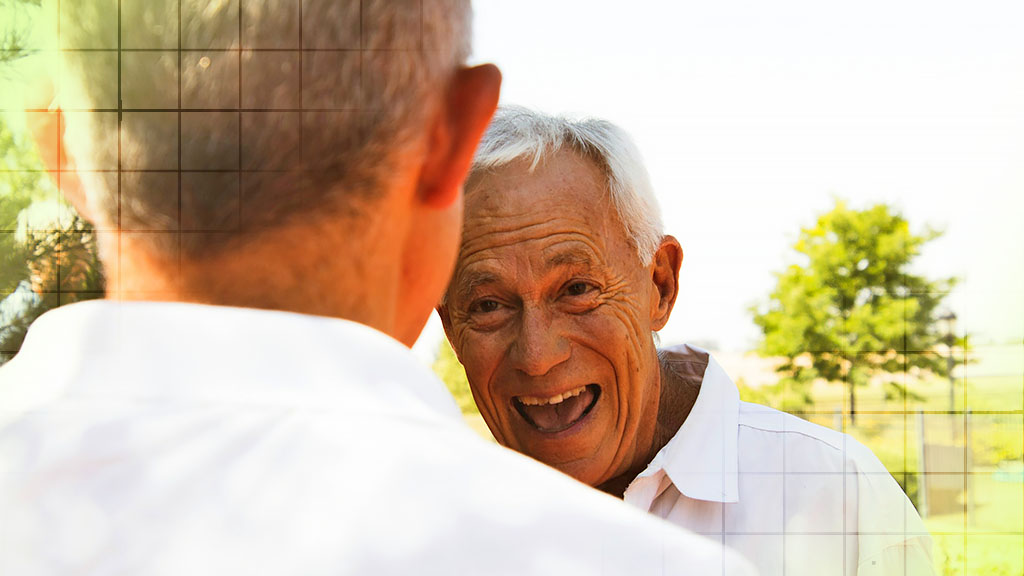
According to a recent study by researchers at the University of Eastern Finland, older adults who have strong social support from friends, neighbors, or coworkers - tend to live longer and report a better quality of life.
Researchers analyzed data collected from CAIDE study participants over a 21 year period and discovered that individuals with both general and health-related social support outlived their peers by an average of two years. Even after taking into consideration various lifestyle and health factors, the extra years remained.
This study discovered that support from friends, neighbors, or community members was more beneficial than support from relatives alone.
The study examined older adults receiving home care in addition to longer life.
| Metric | Value / Finding | Notes |
|---|---|---|
| Number of participants (home-care recipients) | 442 | People aged ≥ 65 receiving home care in Finland |
| Association between social support and quality of life (QOL) | Positive, p < .001 | More social support linked with higher QOL |
| Adequate help/support impact on QOL | Statistically significant, p < .001 | Receiving sufficient support improved perceived QOL |
| Higher education impact on QOL | Statistically significant, p < .034 | Education level among factors related to better QOL |
| Depression’s association with QOL | Statistically significant, p < .001 | Depressed participants more likely to report lower QOL |
Stronger social networks, that provide emotional help and support with everyday tasks, were associated with improved health, fewer depressive symptoms, and better ability to deal with day-to-day activities. [1]
The vital role of friendships and community relationships is beyond family in promoting health in later life.
― Catherine Kayonga, the lead researcher
The authors recommend that health and social care policies should promote older people to build and maintain strong social connections, not just depend on family, and that such support should be established before old age, not only after medical needs begin.
The results support the theory that social connections are much more than just nice to have. They may play an important role in aging well, helping older adults to live longer and better lives.

 Verified
Join 60,000+ longevity biohackers and get our 5-min weekly read with the latest findings, research-backed protocols and tips to boost your daily habbits!
Searching for results...
Please wait while we find the resultsNo results found for ""
Try searching for a different termSomething went wrong
Please try again later