













APP 50% OFF
Get Exclusive Discount





Collagen has become a huge focus in modern longevity discussions. That’s largely because its decline is one of the most measurable biological changes that happens as we get older. Naturally, this all leads to an increase in supplement research, which then also begs questions about the collagen peptides benefits.
Collagen is the most common protein in the body - it impacts your skin, joints, bones, and connective tissues. Natural collagen production starts to slow down in early adulthood. This is due to both aging and things like UV exposure, diet, and lifestyle. In layman’s terms, you’ll start to notice less elastic skin, joint pain, and a longer recovery time from physical activity.
To combat this, people are taking collagen supplements. Collagen peptides have become a popular choice because they dissolve pretty easily. However, the conversation about their benefits is often split between marketing claims, early-stage research, and personal stories.
A more useful way to look at collagen peptides is through a structured, evidence-based lens. So, why don’t we do just that? If you’re curious about whether or not collagen peptides are worth it, that’s what we’ll try to uncover in this very article.
Let’s begin with the basics, so that we’re both on the same page. What are collagen peptides?
Collagen is a fibrous structural protein made mostly of repeating amino acids like glycine, proline, and hydroxyproline. These amino acids make a stable triple-helix shape. This structure gives tissues all over the body strength and flexibility.
The process that creates collagen peptides is called hydrolysis. It breaks down whole collagen proteins into shorter chains of amino acids. People often call these shorter chains "hydrolyzed collagen peptides". One of the main reasons they are used in supplements is that they are easier for the body to absorb.
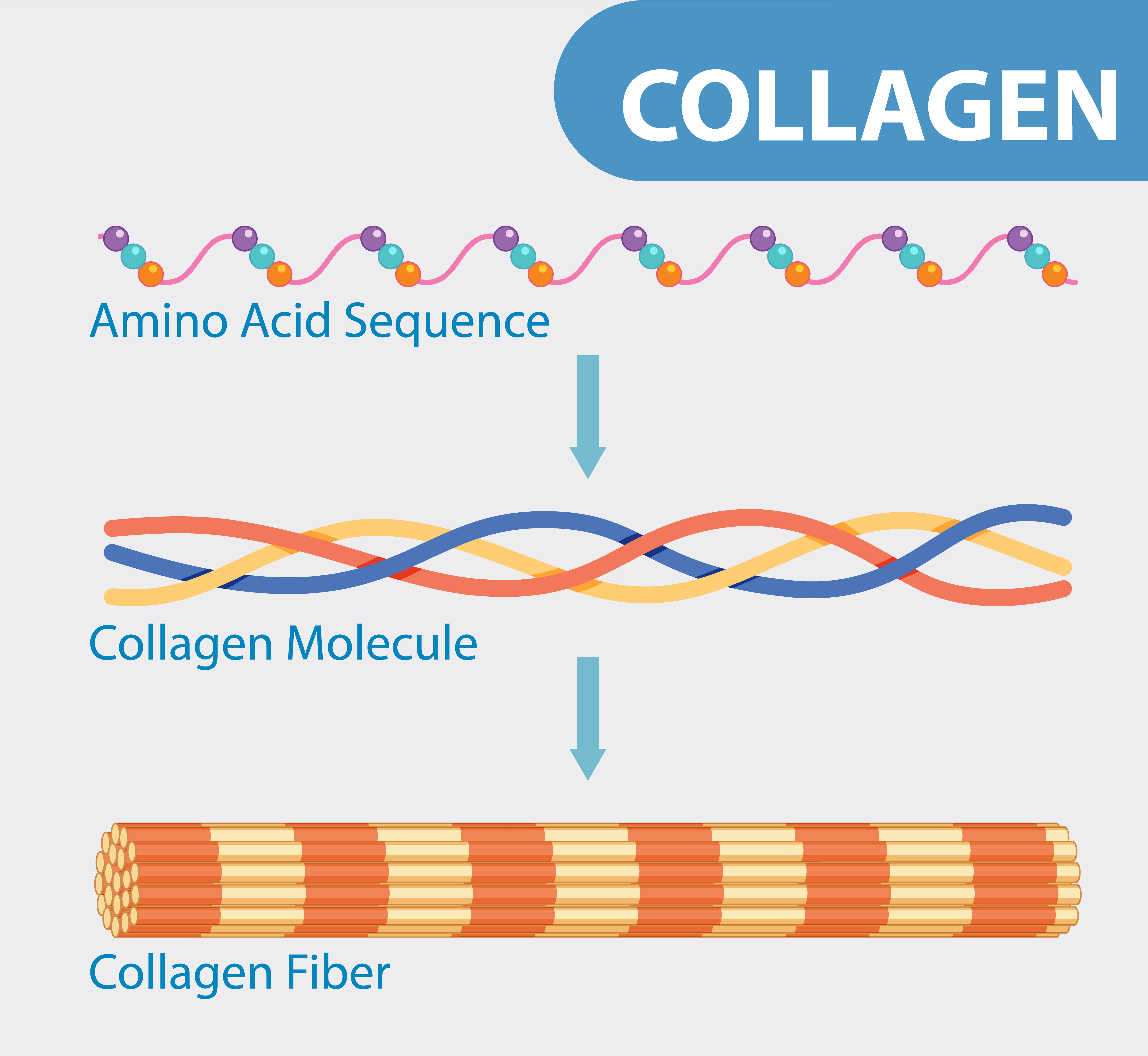
When looking into what are collagen peptides, you should also know that they are not whole collagen fibers. Instead, they are pieces that keep the amino acid profile of collagen but are small enough to get through the intestinal barrier easily.
The distinction between collagen peptides and whole collagen fibers is very important because the body doesn't absorb whole collagen molecules in their original form.
Collagen peptides dissolve easily in both hot and cold liquids without changing the texture. This makes them great for everyday use, like adding them to coffee, smoothies, or other foods.
After you consume collagen peptides, they break down even more during digestion, creating free amino acids, dipeptides, and tripeptides. These smaller units are absorbed through the lining of the intestines and carried by the blood to different tissues.
What do collagen peptides do after they have been absorbed? Well, part of their job is to provide your body with the amino acids that it needs. However, research suggests that certain peptide fragments may also act as biological signals. These signals can get fibroblasts going, which are the cells that make collagen and keep the extracellular matrix in good shape.
Nerdy talk, I know - don’t worry if you don’t know all of the jargon, I promise it will all make sense as we move forward throughout the article.

One study showed that certain peptides derived from collagen could build up in the cartilage and help make more matrix[1]. This discovery corroborates the idea that supplementation may affect tissue function not solely by providing raw materials, but also via signaling pathways that govern collagen synthesis.
The amino acid makeup of collagen adds more layers of possible effects on top of its role as connective tissue. Glycine, which is about one-third of the amino acids in collagen, has been studied for its effects on sleep quality, inflammation, and metabolism.

It's also important to have realistic expectations. Collagen peptides don't directly turn into new collagen structures in a simple or quick way. Instead, they help the body's systems work better by adding amino acids and possibly changing how cells work over time.
Why is this important? Well, it can help explain why observable results tend to happen slowly instead of quickly. The entire process takes time - so, you shouldn’t expect collagen peptides to ‘work wonders’ for you in just a few days of use.
Collagen peptides' benefits are a popular topic because they may be able to help many systems in your body at once. As I’ve mentioned earlier, collagen is different from many other supplements because it works on more than one pathway.
However, not all claims are of equal value, so to speak. Some effects, especially those regarding skin and joint health, are backed up by controlled human studies. Others are still in the research phase, or lack proper scientific backing and are essentially hearsay.
Before we get into the details, let’s be clear about a couple of things:
With that in mind, let’s talk about the specific collagen peptides benefits that you’ll find most commonly referenced.
Research has shown that collagen peptides are good for skin health.
You likely saw this one coming, considering it’s among the most common benefits that are mentioned when talking about the supplement.
As you get older, collagen production goes down, and a number of things happen - your skin loses elasticity, more and more wrinkles appear, and staying moisturized becomes increasingly more difficult.

The goal of collagen supplementation is to fight these changes by strengthening the skin from the inside. Sounds gnarly, but you know what I mean.
A study published in Skin Pharmacology and Physiology demonstrated that participants who ingested collagen peptides daily exhibited enhanced skin elasticity after eight weeks[2]. Another study found that the depth of wrinkles decreased while hydration levels increased[3].
Instead of just "adding collagen" to the skin, collagen peptides seem to stimulate fibroblast activity, boost collagen production, and make the extracellular matrix denser. In other words, the body is encouraged to fix itself more often.
This is where realistic expectations for collagen peptides before and after come into play. Visible improvements usually happen on a timeline:
These timeframes are very close to how long it takes for skin cells to naturally die and be replaced.
Your skin is an organ that protects you from the environment, regulates temperature, and acts as an immune defense. This makes the benefits of collagen peptides for skin one of the most important and well-supported areas of supplementation.
Collagen makes up most of the cartilage, which is the tissue that protects joints. This structure can break down over time due to mechanical stress and aging, which can make it stiff and uncomfortable.
This brings up a very important question: can taking collagen supplements help keep joints working well or support them?
A study in Current Medical Research and Opinion looked at athletes who had joint pain and found that those who took collagen peptides reported a big drop in pain related to activity[4].

It seems that here, collagen peptides provide the body with the amino acids that are needed to keep cartilage healthy, stimulate chondrocytes (cells that make cartilage), and seemingly lower low-grade inflammation.
It's important to clear up what collagen does not do. It doesn't fix severely damaged cartilage or take the place of medical care. But it might help keep the structures of the joints in good shape, especially when combined with exercise.

From a practical point of view, improvements in joint comfort usually happen more slowly than improvements in skin health. A lot of studies see big changes after 12 to 24 weeks of regular use.
This is where the collagen peptides' benefits become especially important for people who want to stay mobile for a long time, which is a key part of longevity. Keeping joints healthy is important for more than just comfort; it also affects how active you can be, which, in turn, affects your overall health.
Hair and nail health are a little different from skin and joint health. There is supporting evidence, but it is more limited and not always found in large studies.
A study published in the Journal of Cosmetic Dermatology tracked participants for 24 weeks and discovered that collagen supplementation resulted in faster nail growth, less brittleness, and fewer broken nails[5].
There isn't as much direct research on hair-related outcomes, but the biology behind it can help explain what we’re seeing. Keratin, a protein that needs amino acids to be created, makes up hair. Collagen is not a direct building block of keratin, but it does give it glycine and proline nutrients.

In simpler terms, collagen may not "grow hair", but it can help create the right conditions for hair follicles to work.
That's why many collagen peptide before and after reports show that nails get stronger and, sometimes, hair looks thicker or better. But these results tend to be very different for each person.
A helpful way to think about it:
This is still a relevant area, even though it is not the main one when it comes to the collagen peptides benefits.
People don't usually think of collagen when they think of muscle health, but it's becoming a more and more important area of research, especially in older people.
Collagen doesn't have some important amino acids, like leucine, that are needed for making muscle protein. But its role seems to be less direct. A study published in the British Journal of Nutrition investigated older men engaged in a resistance training program. Those who took collagen peptides saw bigger gains in fat-free mass than those who took a placebo[6].

What does this mean?
Collagen may not directly build muscle, but it may support the tendons and fascia (connective tissues that help muscles recover from small injuries), and help maintain overall structural integrity while training.
This is especially important as you get older, when the risk of injury goes up, and the ability to recover goes down. A high-quality sauna and cold plunging + red light therapy all help, but they can only do so much.

There's also a bigger picture of longevity to think about. Keeping muscle mass is strongly linked to a lower risk of death and better metabolic health.
Collagen is by no means a substitute for complete protein sources; however, it may serve a supportive function within a comprehensive nutritional plan. This makes the benefits of collagen peptides for muscles less direct, but they are still important over time.
The theory of how collagen can help with the health of your gut is not too complicated. Glycine and proline are amino acids that are thought to help keep the intestinal lining healthy. In theory, a stronger gut barrier could help control inflammation and make digestion work better.
But the most important word here is theory.
There isn't much evidence from humans right now, and most of the claims are based on animal studies, mechanistic reasoning, and indirect associations. That doesn't mean the idea is wrong, but it hasn't been proven to be as true as with other benefits.

We do know that glycine, which is one of the main amino acids in collagen, has been looked into for anti-inflammatory effects, protective roles in gut tissue, and participation in metabolic regulation.
This means that collagen might help gut health in an indirect way, but it shouldn't be seen as the main way to fix digestive problems.
In the larger conversation about the collagen peptides benefits, gut health is still something to keep an eye on rather than something to count on.
There are differences between collagen supplements, and knowing what they are will help you understand the bigger picture of collagen peptides benefits. The source and type of collagen can affect how the body uses it, even though the core amino acid profile is often the same.
There are many different types of collagen, but when it comes to supplements, three stand out:
Most supplements you can buy have Type I and III in them. They usually come from cows or the ocean (fish skin, scales, bones). Type II is more specific and is usually used in formulations that focus on joints.
This has led to the rise of multi-collagen peptides, which are made by combining different types from different sources. The idea is simple: instead of focusing on one type of tissue, you give structural support to a wider range of tissues.

But in real life, the differences might not be as big as marketing often says they are. Collagen is broken down into amino acids, no matter where it comes from or what kind it is. This means that the body decides how to use those building blocks in the end.
Still, sourcing is important in a few ways:
From a functional point of view, hydrolyzed collagen peptides are still the most important thing, since hydrolysis affects how well they are absorbed more than where they came from.
So, while multi-source blends might sound like a good idea, most of the benefits of collagen peptides probably come from taking them regularly rather than in certain combinations.
When it comes to supplementation, format plays a bigger role in daily consistency than it does in biological effect. The body processes capsules, liquids, and collagen peptides powder in pretty much the same way.
That being said, there are useful differences between each format that you should think about.
Powder is by far the most common type, mostly because it is easy to measure out and cheap. It mixes well with both hot and cold liquids, so it's easy to add to coffee, smoothies, or even soups. Also, it's easier to get clinically studied doses (usually 5 - 15g per day) without taking more than one pill.
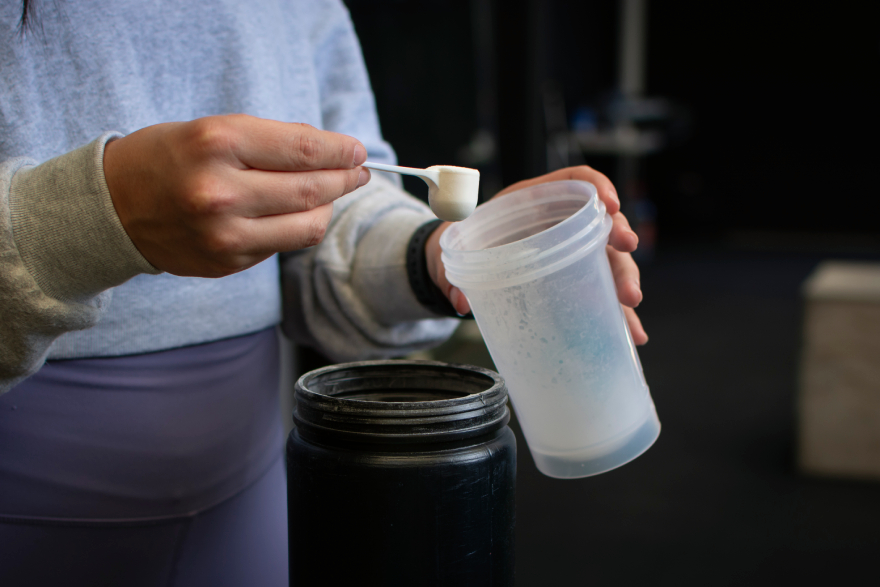
Capsules are easy to use, but they have one problem: dosage.
You might need to take more than one capsule per serving to get the same amount of powder as one scoop. Some people may find it harder to stick with this for a long time.
Capsules can still be helpful for when you’re travelling, simple supplement routines, or people who don't like mixing powders.
Many people think of liquid collagen supplements as high-end choices. They might have other ingredients like biotin, hyaluronic acid, or vitamin C.

But it's important to keep formulation and function separate. The actual collagen peptides benefits come from the collagen itself, not from the extra ingredients (unless they are dosed in a meaningful way).
Liquids can be helpful because they are easy to use, but they are often more expensive, less flexible in dosing, and sometimes contain less collagen per serving.
The most important thing to remember is that it doesn't matter if someone takes capsules, liquids, or collagen peptides powder - what matters is that they do it consistently to see if the benefits start to show up over time.
There is no one answer to the question "are collagen peptides good for you?", because the answer depends on a large variety of things, like your diet, your expectations, and your personal situation.
From a biological point of view, collagen is just a source of amino acids. These amino acids aren't exclusive to collagen, but the specific ratio of them (especially the high levels of glycine and proline) gives collagen a unique functional profile.
Some studies show that taking collagen supplements may help in areas of skin elasticity, joint comfort, and keeping connective tissue healthy.
Collagen doesn't provide all the protein you need, and it doesn't replace a healthy diet. Furthermore, it can take time and effort to see any collagen peptides benefits - they are supplements that have subtle, long-term effects.

There is also a difference in how people respond. Some users say they see big changes, while others experience minimal ones. This happens a lot with supplements that affect structural biology instead of fast metabolic pathways.
Ultimately, whether collagen peptides are good for you or not depends on whether their effects match your goals and whether you are willing to use them regularly over time.
Collagen is generally safe to use, and serious side effects are uncommon. Most of the worries about the side effects of collagen peptides are mild and short-lived.
The problems that people most often talk about are a little bit of stomach pain and feeling bloated. These effects usually depend on the dose and go away when it’s changed (lowered).

Allergic reactions are rare, but they can happen, especially with collagen from fish. This is one reason why sourcing is important, especially for people who are known to be sensitive to certain foods.
Another thing to think about is the quality of the product. Because supplements aren't always held to the same standards as drugs, the purity of different brands can be different.
Watch out for heavy metal contamination, wrong labels, fillers and / or additives that aren't needed.
From a research standpoint, long-term studies have not revealed substantial risks linked to collagen supplementation in healthy individuals. This backs up the idea that most people who take collagen peptides don't have many side effects.
But, like with any other supplement, how each person reacts is going to be different. It's always a good idea to keep an eye on how your body reacts, especially when you first start.
When using collagen, it's more important to be consistent than to be on time. Most clinical studies on the collagen peptides benefits talk about daily doses of 5 to 15 grams, depending on what they are looking for.
Most people should start somewhere within this range. You can look at it this way:
That being said, some people go above these ranges based on their own experiences, but there isn't as much scientific support for higher doses.
You can take collagen in the morning, after a workout, or with meals. Just be sure that you’re consistent.
Some people are interested in combining collagen with vitamin C because it’s needed to make collagen. Although the effect is not obvious, it is biologically plausible and frequently incorporated into research that scientists conduct, so it's worth keeping in mind.
Adding collagen to your diet is an interesting area of longevity science because it falls somewhere between nutrition and structural support. The evidence supporting the benefits of collagen peptides is most robust in relation to skin elasticity and joint health - other applications are still developing or are less direct.
If you're looking for ways to advance your wellness journey, collagen can be seen as one part of a bigger support system. It's helpful but not necessary, and it works best when combined with a lifestyle that includes a balanced diet with enough protein and resistance training.
Oh, and don’t forget to throw in a high-quality sauna + cold plunge into the mix. While in a different way than collagen peptides, these products still work to help you improve your overall health, and maintain a more longevity-focused lifestyle.

 Verified
Collagen peptides are short chains of amino acids derived from broken-down collagen. They are easier for the body to absorb than whole collagen and are commonly used in supplements to support skin, joints, and connective tissue.
Collagen peptides provide amino acids and may also signal the body to produce more of its own collagen. Their primary goal is to support structural tissues like skin, cartilage, and tendons.
Collagen peptides can be beneficial in some areas, especially for skin elasticity and joint health. However, they are not a complete protein and should complement but not replace a balanced diet.
Most studies show noticeable effects after 8 to 12 weeks of consistent use. Results vary depending on the individual and the specific benefit, such as skin or joint support. Also, the keyword there is “consistent” - keep that in mind.
Collagen peptides are generally safe, with mild side effects like bloating or stomach cramps in some cases. These are usually dose-related and can be managed by lowering the dose.
Collagen peptides powder is often preferred because it allows for higher and more flexible dosing. Capsules can be convenient but usually require taking multiple servings at once.
Join 60,000+ longevity biohackers and get our 5-min weekly read with the latest findings, research-backed protocols and tips to boost your daily habbits!
Searching for results...
Please wait while we find the resultsNo results found for ""
Try searching for a different termSomething went wrong
Please try again later