













APP 50% OFF
Get Exclusive Discount





People who want to lose weight, control their blood sugar, and improve their long-term metabolic health have quickly made Mounjaro one of the most talked-about metabolic peptides in the world. But most of the time, enthusiasts talk about the results. The real key to how the compound works is often something much simpler: Mounjaro doses.
As you start using it, the drug slowly gets stronger. The Mounjaro dosing schedule is meant to help the body get used to it over time while reducing side effects and helping with insulin sensitivity, appetite control, and weight loss.
That's important because the highest dose of Mounjaro isn't always the best for losing weight. People react in different ways, and things like tolerance, side effects, metabolic health, and long-term sustainability all play a role.
If you want to track your Mounjaro doses, use a dedicated tracker app, such as MAX Peptide AI! Furthermore, remember to always consult with your GP before starting to use Mounjaro or any other peptide.
Before we talk about specific Mounjaro doses, it's important to know what it is and why it's so important to follow the dosing schedule.
Tirzepatide is the generic name for Mounjaro, a prescription drug that was first made to help people with type-2 diabetes. But in the last few years, it has become well-known for another reason - losing weight.

People were very interested in Mounjaro right away because it works in a different way than other metabolic drugs like Ozempic or Wegovy. These are based on semaglutide and mostly work on one hormonal pathway - GLP-1 (glucagon-like peptide-1). Tirzepatide, on the other hand, works on two different pathways at once - GLP-1 and GIP receptors.
This dual-action mechanism is one of the main reasons why there has been so much talk online about Mounjaro doses lately. To put it simply, these hormones help control things like:
When tirzepatide turns on these pathways, the body begins to digest food differently. Hunger signals may get weaker, the stomach may empty more slowly, cravings may go down, and insulin sensitivity may improve.
Mounjaro doesn't "burn fat" directly. Instead, it changes how the body sends metabolic signals, which over time often leads to eating fewer calories and better blood sugar control.
One reason that discussions about Mounjaro doses for weight loss differ so much from person to person is that appetite signaling is very personal. Some people feel a big difference in their hunger even at lower doses, while others need to take higher doses before they notice any changes.
During the SURMOUNT clinical trials, tirzepatide was shown to cause a lot of weight loss on average in several dosing groups.[1] People who took higher doses of Mounjaro usually lost more weight over time, but they also had more side effects as the dose went up.
That’s kind of a given, I think.
Tirzepatide is given slowly on purpose. The body needs time to adjust to the hormonal and digestive effects of the medicine.
One of the most important things to know about Mounjaro doses is that they are meant to get higher over time.
Tirzepatide goes through a structured process called titration. The goal is to help the body slowly get used to it while lowering side effects and making it easier to tolerate over time.
If someone starts too quickly, the chances of having gastrointestinal side effects go up a lot. The standard dosing schedule for Mounjaro usually goes like:
Most treatment plans start with 2.5 mg for four weeks and then go up from there. However, the actual progression can be different depending on:
This is where online discussions about Mounjaro doses can sometimes be wrong.
Many people think that higher always means better. Truth is, the best dose for you may depend on how well your body reacts to the medicine.
Some people lose a lot of weight and have a lot less appetite at doses as low as 5 mg or 7.5 mg. Others may need to raise the dose before they notice stronger effects.
The highest dose of Mounjaro isn't always the best one for losing weight. The lowest dose that works and can be taken for a long time is the one that works best.
The idea of the "lowest effective dose" has become more and more important in talks about obesity medicine and metabolic health.
If someone goes up too quickly, has bad side effects, and stops treatment completely, the possible benefits of higher dosing don't matter anymore. Long-term adherence is frequently more significant than aggressive short-term escalation.
Another reason why Mounjaro doses are raised slowly is that the body gets used to hormonal signaling over time.
Activating the GLP-1 and GIP receptors has a big effect on hunger, fullness, digestion, and how insulin works. The digestive system, in particular, needs time to get used to things.

This is why the Mounjaro dosing schedule usually calls for staying at each dose level for at least four weeks before going up again. That time of adjustment helps the body get used to the change slowly, and it also gives doctors and patients a chance to look at how well it works overall.
15 mg is the highest dose of Mounjaro that is currently approved, but many users stay on lower maintenance doses for a long time because they are already getting good results.
I mean, it’s pretty straightforward. If someone is steadily losing weight, keeping their blood sugar in check, handling treatment well, and only feeling hungry at 7.5 mg or 10 mg, there may not always be a good reason to raise the dose more.
On the other hand, some people reach a metabolic plateau over time. Appetite suppression might not work as well, weight loss might slow down, or blood sugar levels might stop getting better. In these cases, increasing the dose can sometimes help the therapeutic effects come back.

This variability is one reason why conversations about how to increase the dose of Mounjaro should always include context instead of strict "one-size-fits-all" advice.
The usual schedule for taking Mounjaro is to get injections once a week, on the same day each week if possible. Keeping a regular schedule can help keep medication levels stable and make it easier to deal with side effects.
According to Lilly's prescribing guidance, if a dose is missed, it can usually still be taken within four days.[2] After that time frame, patients are usually told to skip the missed injection and go back to their normal weekly schedule.
As the doses of Mounjaro go up, that consistency becomes even more important because higher doses often make the appetite and digestive effects stronger.

There is also a psychological aspect to increasing doses.
Because of viral social media transformations, a lot of people start tirzepatide hoping for big changes right away. But the truth is that the drug is meant to work slowly over time. The first few months are usually more about getting used to things than losing the most fat.
This slower approach is probably one reason why tirzepatide has had better long-term adherence rates than other weight-loss methods that are more aggressive. The process is designed to build up gradually rather than shock the system all at once.
The dose escalation process is much easier to follow once you understand the commonly used Mounjaro dosage chart.
Note that dose increases should always be done on a case-by-case basis with medical supervision. That said, this is what a normal, widely agreed-upon dosing schedule for Mounjaro looks like:
| Dose | Typical Time of Dose | Primary Purpose | Common Effects |
|---|---|---|---|
| 2.5 mg | 4 weeks | Adaptation phase | Mild appetite suppression, early adjustment |
| 5 mg | 4+ weeks | First therapeutic dose | Increased fullness, reduced cravings |
| 7.5 mg | 4+ weeks | Escalation phase | Stronger appetite control, increased weight loss potential |
| 10 mg | 4+ weeks | Advanced therapeutic dosing | More pronounced metabolic effects |
| 12.5 mg | 4+ weeks | Higher-response dosing | Greater appetite suppression, higher GI risks |
| 15 mg | Long-term maintenance | Highest approved dose | Maximum efficacy potential, stronger side effects possible |
This chart for Mounjaro doses is mostly based on:
It is important to note that the 2.5 mg dose is not technically a full therapeutic maintenance dose. Instead, it mostly works as a starter phase to help the body get used to tirzepatide.
Furthermore, the time between doses can be very different. Some people move through the Mounjaro dosing schedule fairly quickly, while others stay at the same dose for months - that’s perfectly normal, if it’s what works for you.
Instead of making every patient follow the same treatment plan, the dosing structure lets doctors tailor the treatment to each person based on how well they respond and how well they tolerate it.
One of the first questions people ask when they start looking into Mounjaro doses is, "what is the actual starting dose?".
The usual starting dose of Mounjaro for weight loss is 2.5 mg once a week. As mentioned earlier, the dose is usually kept the same for the first 4 weeks before it goes up.
The starting dose of Mounjaro for weight loss is not meant to make you lose the most fat right away. Instead, it's meant to help your body get used to higher doses of the drug later on.
Sometimes, even at 2.5 mg, you might notice that your appetite goes down, your meals are smaller, you feel full sooner, and your cravings go away. Others may not notice the effects until the dose goes up.
The aforementioned SURMOUNT trials showed that, in general, weight went down as the dose went up.[3] But early changes in appetite often happened before participants even got to the higher-dose phases.
It's also important to note that the official prescribing guidelines say that the 2.5 mg dose is "not a therapeutic dose". In other words, most people shouldn't take it as their main dose for a long time.

Instead, it is the first step in the larger Mounjaro dosing schedule, which will lead to stronger therapeutic ranges like 5 mg, 7.5 mg, 10 mg, 12.5 mg, and 15 mg.
Still, some people stay on relatively low doses longer than expected if they are already responding well. This is especially true for people who:
People online often think of the highest dose of Mounjaro as the "goal", but that's not how medicine works. Your goal should be to find the lowest dose that works and lasts while still being bearable, and causing the least side effects.
One more thing to note is that, in the first few weeks of treatment, appetite signaling changes, which can be a good time to change your eating habits. During this time, many people naturally start eating smaller portions and snacking less often.
Those changes in behavior can be very important in the long run.

Some obesity medicine experts even say that the first few weeks of the Mounjaro dosing schedule may act as a "metabolic learning period", during which users slowly get used to new hunger patterns before moving on to stronger therapeutic ranges.
Theory is great, but what does it really look like in the real world?
A lot of people say that the first month on 2.5 mg isn't as bad as they thought it would be after reading dramatic stories on social media. The medicine may make people less hungry, but it often becomes much more noticeable when they move up to 5 mg or more.
Lower doses often help start the medication and suppress appetite early on, but higher doses may be needed later to retain or strengthen those effects.
Increasing the dose of Mounjaro isn't about "forcing" more weight loss, but rather, it's mostly about keeping the medicine working while the body gets used to it.
One big thing is that it normalizes appetite. Many people feel a big drop in hunger at the start of treatment because the changes in hormonal signaling are new and strong. But the body can get used to it over time.
This doesn't mean that Mounjaro "stops working", but it does mean that the appetite suppression may not be as strong at the same dose level. Increasing the dose of Mounjaro often makes the signals of fullness and the drug's metabolic effects stronger. Some people do well with moderate doses, but others need higher doses to see big changes.

Turning on GLP-1 and GIP receptors can also have a big effect on the digestive system, especially when treatment first starts. If the dose goes up too fast, you are more likely to feel sick, have stomach problems, lose your appetite, and have diarrhea or vomiting. Gradual escalation helps to minimize that shock to the body.
Weight loss isn’t always a straight line, even with high-quality peptides. The body naturally tries to keep its energy balance by using adaptive mechanisms like hunger hormones, energy expenditure, and appetite control.
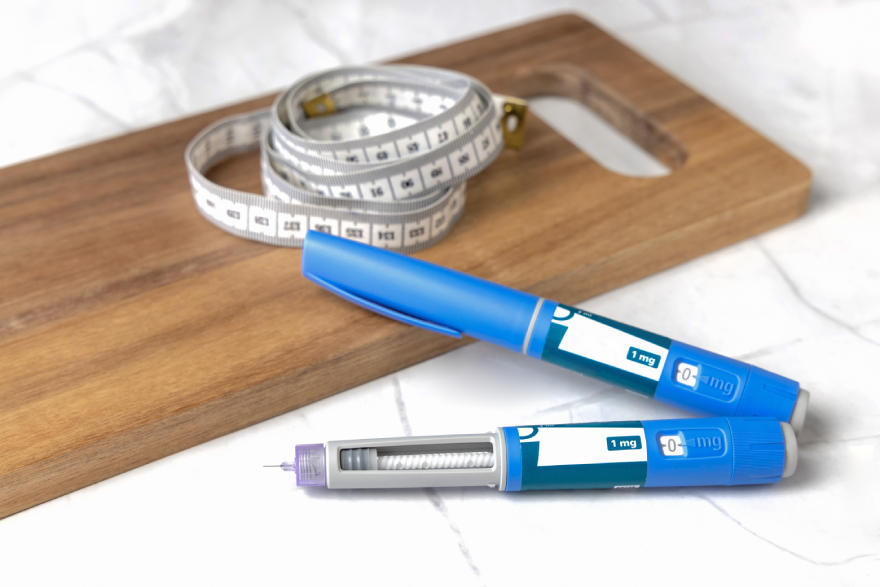
This is sometimes called “metabolic adaptation”. This means that the same dose of Mounjaro may have different effects at different times during treatment.
With that said, we again come to the same conclusion - the main goal of the Mounjaro dosing schedule isn't to keep going up, but rather, to find the most effective dose. It's much more important to find the right balance between effectiveness and tolerability than to just try to get the highest number.
In terms of science, clinical trial data shows that higher doses of Mounjaro usually lead to bigger weight loss on average.[4] While it’s a bit if a “duh” moment, that doesn't mean that the highest dose is the best choice for everyone, though.
There is a balance between effectiveness, side effects, long-term adherence, appetite suppression, and sustainability. Not everyone can handle higher doses of Mounjaro the same way.

Some people find that 5 mg or 7.5 mg is enough to keep their appetite down and lose fat steadily without needing to take more. Others may need 10 mg, 12.5 mg, or even the highest dose of Mounjaro to feel stronger metabolic effects.
The peptide often starts to feel much stronger at 5 mg. For a lot of people, this is their first "real" therapeutic Mounjaro dose for losing weight. People tend to eat less naturally when they don't try to restrict their calories, and their appetite suppression gets stronger.

Many users start to see more aggressive appetite suppression and bigger changes in their average weight loss with 7.5 mg or 10 mg doses. For some people, this acts as the best long-term maintenance range.
Why? Well, this range often strikes a good balance between how well Mounjaro works and how well it can be tolerated.
Tirzepatide's effects are usually strongest at a 12.5 - 15 mg dosage range, but it's also when side effects are most likely to get worse.
In hospitals and other clinical settings, doctors usually keep a close eye on how well their patients are doing with treatment to make sure they don't eat too little or miss out on important nutrients. Some users, though, don't realize how much higher doses of Mounjaro can change their appetite and food intake when they are not in a supervised setting.
Even though Mounjaro doses can help control hunger and lose weight, side effects are still a big part of the conversation. Tirzepatide affects a number of important metabolic and digestive pathways at the same time. This means that the body needs time to adjust, especially when the dose is raised.
Most of the side effects that people talk about when they take Mounjaro are related to the digestive system:
For a lot of people, these symptoms go away on their own as the body gets used to them. The intensity can still be very different depending on the individual person and the dosing of the peptide.
As the Mounjaro dose goes up, the side effects tend to get worse. This is why standard treatment protocols call for slow escalation.
Tirzepatide has a strong effect on the digestive system because GLP-1 and GIP signaling have a big effect on how quickly the stomach empties and how full it feels.
To put it simply, food moves through the stomach more slowly.

That slower digestion can help people feel full for longer, which can help them eat fewer calories and suppress their appetite. But it can also cause temporary stomach pain while the body gets used to it.
Another thing to talk about is appetite suppression itself. People use Mounjaro mostly to reduce their hunger, but having too little appetite can sometimes cause its own problems, such as:
If someone has trouble getting the right nutrition, losing weight isn't always a good thing. During any long-term weight loss phase, it's still very important to get enough protein, water, micronutrients, and to keep your muscles healthy.
Researchers point out that most of the side effects seen in clinical trials were mild to moderate. Severe adverse reactions were less frequent, though they may still appear.
Mounjaro (tirzepatide) follows a structured escalation approach that aims to find a balance between effectiveness and tolerability. There is a reason for the gradual Mounjaro dose escalation - the peptide has a big effect on appetite signaling, digestion, blood sugar control, and metabolic pathways all at once.
For the majority, treatment commences with a lower introductory phase, subsequently advancing through higher ranges over time. Some people do very well with moderate doses, like 5 mg or 7.5 mg. Others may need 12.5 mg or the highest dose of Mounjaro to keep getting stronger effects over time.
Remember - Mounjaro is a prescription drug, not a quick fix that takes the place of healthy habits. People respond very differently, so treatment decisions should always be made with the help of a doctor.
As research continues to evolve, Mounjaro doses will likely remain a significant topic in discussions regarding obesity-related medicine.
Don’t forget to check out the Longeviters-approved MAX Peptide AI app for all of your peptide usage tracking needs! With it, you’ll be able to track the dosage of different compounds, any and all side effects, and plan your broader wellness journey accordingly!

 Verified
The usual doses of Mounjaro are 2.5 mg, 5 mg, 7.5 mg, 10 mg, 12.5 mg, and 15 mg. As part of the standard Mounjaro dosing schedule, the user would take the doses once per week, for a set amount of time until the dosage is increased.
The usual starting dose of Mounjaro for weight loss is 2.5 mg once a week for the first 4 weeks. It starts low, mostly to help the body get used to the medicine before the doses get higher.
Well, you don’t *need* to. But many people have to slowly raise their dose because their bodies gets used to tirzepatide over time. Dose escalation essentially helps make appetite suppression and metabolic effects stronger.
Currently, the highest dose of Mounjaro that is recommended is 15 mg once a week. But the highest dose isn't always the best choice. Some people do very well with lower doses and have fewer side effects. Before using Mounjaro, or (especially) increasing your dosage, be sure to consult with a licensed physician!
There is no single answer to this question. Clinical trials show that higher Mounjaro doses often lead to more weight loss on average. However, the best dose varies from person to person based on how well they can handle it, how hungry they feel, and how long they can keep it up.
Yes, some people start to lose weight even at the first 2.5 mg dose because their appetite goes down and they feel full sooner. 2.5 mg is still thought to be more of an adaptation phase than a full therapeutic dose, however.
Join 60,000+ longevity biohackers and get our 5-min weekly read with the latest findings, research-backed protocols and tips to boost your daily habbits!
Searching for results...
Please wait while we find the resultsNo results found for ""
Try searching for a different termSomething went wrong
Please try again later