








APP 50% OFF
Get Exclusive Discount





GLP-1 drugs have really become the “next big thing” among weight loss communities. Over the last few years, comparisons between Zepbound vs Mounjaro have become more and more prevalent. It’s not too surprising - these two names are kind of the poster children of the peptide craze.
A lot of people ask questions like “is Zepbound the same as Mounjaro?”. It’s confusing, since both peptides are based on the same underlying compound. They’re also both made by Eli Lilly, and are both given as weekly injections.
In reality, even though the drugs are almost identical chemically, they are usually prescribed differently, covered differently by insurance, and used by people with very different health goals.
No matter if you plan to use Zepbound, Mounjaro, or any other peptide, you’ll need a reliable way to track your dosage, results, and side effects. Check out the Longeviters-approved MAX Peptide AI app - you’ll find all of that functionality (and so much more) there!
Both Zepbound and Mounjaro are based on the exact same active element - tirzepatide.
It’s a “dual GIP/GLP-1 receptor agonist”. That sounds massively technical, but the basic concept is that the drug targets hormones that regulate appetite, insulin signaling, blood sugar, and digestion.
And that’s one of the major reasons why tirzepatide became such a big deal in metabolic medicine seemingly overnight.
Previous GLP-1 drugs already had impressive effects for weight loss and blood sugar control. And tirzepatide kind of took it even further - in clinical trials, some people lost more than 20% of their body weight[1], figures that began to approach results historically associated with bariatric surgery.

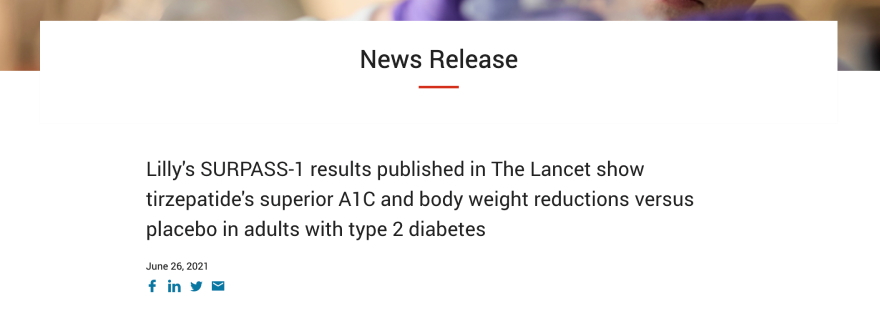
Mounjaro was the first tirzepatide product launched by Eli Lilly. It was approved by the FDA in 2022 for the treatment of type-2 diabetes based on the SURPASS clinical trial program, which showed significant improvements in blood sugar control and body weight reduction[2].
Zepbound came later. Eli Lilly launched it in 2023 as a distinct branded version of tirzepatide, with specific indications for treating obesity and managing chronic weight. The wording was basically the same, but the medical positioning was different.
Zepbound vs Mounjaro are almost the same thing from a chemistry standpoint. But in terms of the healthcare system, they are two somewhat different categories - Mounjaro is medication for diabetes, Zepbound - for obesity and weight management.
That difference matters for everything from insurance approval to prescription logic.
A common misconception online is that Zepbound is a “newer” or “stronger” version of Mounjaro. Scientifically, that is not really true - both drugs have very similar dosing structures.
Obesity, insulin resistance, and metabolic dysfunction often overlap heavily. Someone who takes Mounjaro to treat diabetes could see dramatic fat loss. Meanwhile, someone taking Zepbound mainly for weight loss may also find improvements in insulin sensitivity, blood sugar stability, inflammation markers, and cardiovascular risk factors along the way.
This is also why longevity communities are still so interested in tirzepatide in the first place. Researchers are now looking into more all-encompassing metabolic outcomes, such as visceral fat reduction, glycemic control, inflammatory signaling, and long-term cardiometabolic risk.

That's not to say tirzepatide is some magic longevity drug, as it is often portrayed on social media. But it does make sense as to why the conversation of Mounjaro vs Zepbound goes beyond just looks or quick fat loss.
Both drugs are really about metabolic regulation at their core. It is the branding that changes the context around them.
On a very fundamental level, Zepbound and Mounjaro are essentially the same drug in molecular terms. Both have tirzepatide as the active ingredient, both are produced by Eli Lilly, and both have nearly identical dosing schedules.
Take a look at this table - it should help you form a bit of a better picture of the two drug differences and similarities:
| Zepbound | Mounjaro | |
|---|---|---|
| Active Ingredient | Tirzepatide | Tirzepatide |
| Manufacturer | Eli Lilly | Eli Lilly |
| FDA Approval | Chronic weight management | Type-2 diabetes |
| Injection Frequency | Once weekly | Once weekly |
| Delivery Method | Pre-filled injection pen | Pre-filled injection pen |
| Recommended Doses | 2.5 mg - 15 mg | 2.5 mg - 15 mg |
| Main Goal(s) | Weight loss / obesity management | Blood sugar control |
| Weight Loss Potential | Very high | Very high |
| Insurance Positioning | Obesity-focused coverage | Diabetes-focused coverage |
| Mechanism of Action | Dual GIP + GLP-1 agonist | Dual GIP + GLP-1 agonist |
A person prescribed Mounjaro may be most concerned about controlling blood sugar and insulin resistance. At the same time, a person on Zepbound is usually coming to treatment through a weight management or obesity pathway.
The biggest real-world difference between Zepbound and Mounjaro has less to do with biology and more to do with health care systems, insurance approval, and treatment goals.
This is also why those looking for “is Mounjaro the same as Zepbound?” are often confused after reading amateurish online comparisons. Most articles stop at "same active ingredient" and don't explain how two nearly identical medications can still feel very different in practice.
The branding itself plays a surprisingly big psychological role, as well.
Mounjaro became a household name mainly when it was used to treat diabetes. Zepbound, on the other hand, entered the weight-loss market at a time when GLP-1 medications were exploding into mainstream culture.
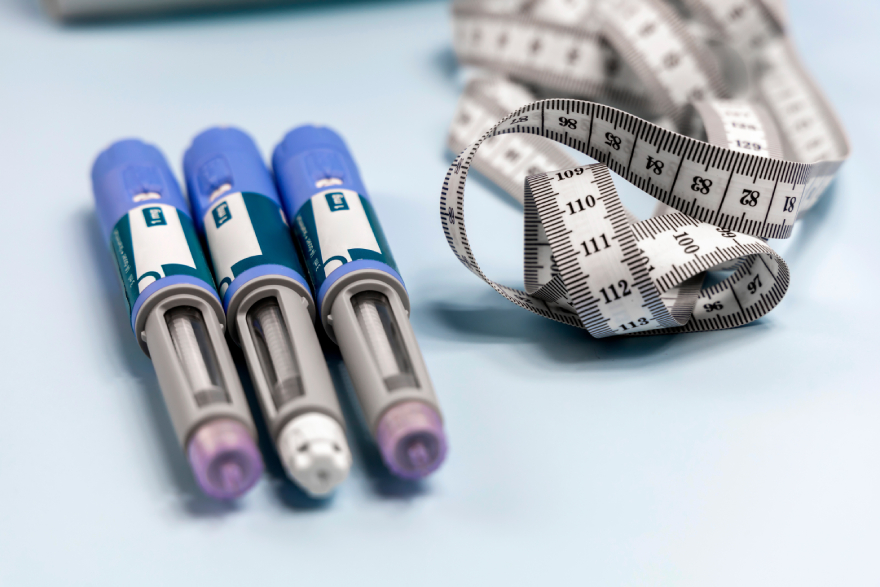
Some patients want to go on obesity therapy with a drug that is specifically approved for weight control. Others like the metabolic health angle of Mounjaro. Even physician prescribing patterns can vary based on the label being used.
So while “are Mounjaro and Zepbound the same?” is a fair question, the better question may be - how is the medical system treating them differently when the molecule itself is basically the same?
To understand the Zepbound vs Mounjaro comparison, you need to understand tirzepatide itself.
Tirzepatide is part of a new generation of metabolic drugs that target two hormone pathways simultaneously: GLP-1 and GIP. These hormones are part of the incretin system, which helps to regulate blood sugar, appetite, digestion, and energy balance after a meal.
Most of the older drugs in this class were GLP-1 alone. Tirzepatide is a bit of a double-whammy. Yeah, sorry about that.
Many users describe the loss of appetite when using tirzepatide as a reduction in “food noise”. It’s one of the more interesting things about this drug. In addition to a change in physical hunger, many people report changes in their outlook on food, as well.

I have a friend who’s been using tirzepatide for a couple of months now, and he did attest to this. He just told me - “I don’t really think about food anymore”. He used to be a nervous eater, and this is where he sees the most improvement. Everything aside, it’s really interesting to think about how a chemical compound can affect our mental patterns so much.
This is part of why the Mounjaro vs Zepbound debate became so prominent in longevity and wellness communities. Researchers are now looking at how metabolic signaling affects behavior over time. It’s a big advancement in the scientific sphere of peptide use, in general, even though there’s still a lot that needs to be understood about these drugs.
Tirzepatide also slows stomach emptying. This helps increase feelings of fullness after meals and can reduce overall calorie intake without the constant sense of deprivation that many “at-home” diets create.
At the same time, tirzepatide also improves insulin sensitivity and control of blood sugar. That’s one of the primary reasons Mounjaro was initially approved for treating type-2 diabetes.
A myth about tirzepatide is that it “forces” weight loss by suppressing appetite. In fact, the drug seems to affect several overlapping systems involved in metabolism, satiety, insulin signalling, and energy regulation.
Another thing that isn't often covered in user-made Zepbound vs Mounjaro articles is body composition.
Rapid weight loss may not be metabolically ideal if it involves the loss of large amounts of lean tissue. However, some studies have shown that significant weight loss with GLP-1-based therapies can occur with meaningful loss of muscle mass in addition to fat loss[3].
During aggressive fat loss phases, adequate protein intake, resistance training, recovery, sleep quality, and even connective tissue support all become that much more important. Some people also include recovery habits like sauna, cold exposure, and mobility work into their routine to help maintain physical function as body composition changes rapidly.

The medication can provide the metabolic opportunity, but your actual lifestyle still determines how well the outcome is maintained.
At the end of the day, there’s still the same biology for a person taking Zepbound or Mounjaro. The difference between the two isn’t how tirzepatide works in the body. Rather, it’s largely in how the treatment is framed once it’s out in the real world.
By this point, we’ve already honed in on the fact that biologically, Zepbound vs Mounjaro are very similar.
There are some notable differences that you should be aware of, though. Some have to do with the peptides themselves, while others are more concerned with the bureaucracy around them.
The first FDA approval of Mounjaro was specifically for the management of type-2 diabetes. It was approved based on blood sugar control, insulin regulation, and glycemic outcomes shown in the SURPASS clinical trial program.
Zepbound followed in a different framework. It was approved for chronic weight management in adults who are obese or have weight-related health conditions, not for treating diabetes.

This resulted in two different identities for basically the same molecule. Mounjaro was connected to diabetes care, while Zepbound was associated with obesity treatment. And while that distinction might sound mostly administrative, it has implications for the entire process of treatment.
Insurance is arguably where the Mounjaro vs Zepbound split is most impactful in the real world.
In the past, many insurance providers would cover diabetes meds better than obesity ones. That resulted in a bizarre situation where some patients were seeking out Mounjaro in part because weight-loss-specific coverage options were limited.
Zepbound shifts that dynamic a bit because it’s officially in the obesity treatment category. That doesn’t mean, however, that it is inherently more accessible.

Coverage for weight-management medications remains highly variable depending on employer plans, regional healthcare systems, and whether obesity treatment is deemed medically necessary under a given policy.
It’s one of the reasons the question “are Mounjaro and Zepbound the same?” doesn’t have a full yes or no answer. The drug may be nearly identical, but the healthcare journey around it can feel like another world.
Note that this is mostly in reference to the insurance situation in the US. That said, insurance companies in other countries are likely to have some differing approaches when it comes to dealing with tirzepatide-based drugs.
Endocrinologists who treat diabetes would naturally gravitate to Mounjaro, as it was the first peptide of its kind added to diabetes treatment regimens. Meanwhile, obesity specialists and weight-management clinics might favor Zepbound because its labeling is more in line with weight-loss treatment goals.
Some clinicians also believe the branding itself alters patients’ expectations.

A patient coming into treatment via a diabetes-management framework may be more concerned with glucose control and long-term metabolism stabilization. A person pursuing weight loss might focus more on changes in body composition and visible reductions on the scale.
Those mental frameworks can affect adherence, expectations, and even satisfaction with treatment. It's an underrated aspect of this whole conversation.
Mounjaro appeared before the current GLP-1 craze hit mainstream culture. The early conversations around it were still very much tied to diabetes management and endocrinology.
Zepbound entered a completely different environment. When it launched, weight-loss drugs were one of the biggest conversations in longevity circles, celebrity culture, and social media. The public awareness of the GLP-1s was vastly higher (and has only been growing ever since).

Now, many people associate Zepbound directly with fat loss transformation stories, while Mounjaro still carries a somewhat more clinical or metabolic-health-oriented image.
All of that brings us to the main point of the Zepbound vs Mounjaro comparison - the drugs are almost the same themselves, and what changes is the environment around them:
And all of that can make a difference in how treatment feels in practice, even when the active compound is the same.
This could explain why some people online are so adamant that one medication “works better” than the other, even though the underlying tirzepatide formulation is almost identical.
Zepbound and Mounjaro have very similar titration schedules because they both use tirzepatide as the active ingredient. The dose is increased slowly to allow the body to adjust to the drug with the least risk of gastrointestinal side effects.
Sticking to the dosing schedule is important as tirzepatide can be very powerful, especially when you first start taking it.
| Dose | Zepbound | Mounjaro | What Changes |
|---|---|---|---|
| 2.5 mg | Starting dose | Starting dose | Minimal fat loss, body adapts |
| 5 mg | Common early weight loss dose | Common glucose control dose | Appetite drops, early results start |
| 7.5 mg | Mid-weight-loss phase | Less commonly emphasized in diabetes care | Stronger appetite suppression |
| 10 mg | High-response fat loss dose | Strong glucose + weight effect | Major reduction in food intake |
| 12.5 mg | Advanced weight loss phase | Less frequently used clinically | Very low hunger, fast loss possible |
| 15 mg | Max obesity treatment dose | Max diabetes dose | Highest effect, higher risk of side effects |
The majority of patients start on 2.5 mg once per week, whether they are on Zepbound or Mounjaro. The dose is then usually gradually increased over a period of several weeks, depending on tolerability, side effects, appetite response, blood sugar results, and overall progress.
The most common side effects of tirzepatide (nausea, bloating, constipation, diarrhea, and upset stomach) tend to be more pronounced when the dose is increased aggressively. It often takes time for the body to adapt to the altered digestion and satiety signaling.
That's why the dosage increase is not guaranteed to bring better results. In fact, many people respond surprisingly well to moderate doses and never need to go up to the proposed 15 mg maximum.

This variation is why comparing Mounjaro vs Zepbound solely by their dosing can become misleading. Two individuals on the same dose of tirzepatide might have dramatically different levels of appetite suppression, weight loss, or side effects.
I guess the point I’m trying to make here is that more tirzepatide isn’t always better. Rapid dose escalation can sometimes lead to fatigue, gastrointestinal stress, and the risk of losing lean muscle mass during aggressive weight reduction.
This is probably the biggest question that people who read Zepbound vs Mounjaro comparisons are looking to answer.
From a scientific point of view, there is no good evidence that Zepbound causes more fat loss than Mounjaro, specifically when using similar doses of both drugs. This checks out in the real world, as well.
The SURMOUNT-1 trial[4] has helped position tirzepatide as one of the most effective pharmaceutical tools for weight management currently available.

At the same time, the Mounjaro trials that were run to assess the management of diabetes also showed significant reductions in body weight, even if weight loss was not always the main endpoint. What this means is that tirzepatide’s impact goes well beyond just glucose control. The physiological mechanism that causes weight loss is largely the same whether someone is prescribed Zepbound or Mounjaro.
Interestingly, many people online still say one medication “feels stronger” than the other. Why is that the case, then?
A person coming into treatment with Zepbound may have very weight loss-focused expectations, more strict calorie control, structured exercise routines, and closer monitoring of body changes.

Another patient on Mounjaro might have a different treatment approach, mainly for blood sugar management. The drug itself is still the same, but the context is very different.
So, with all of that said… Which peptide should you choose, at the end of the day?
Well, if you don’t have any existing, predefined preferences, it’s a good idea to consult with your doctor and try one. Depending on how your body reacts to it, you might then consider choosing a different compound. Once again, though - they are both very similar in how they work, both in the lab and out in the real world.
Side effects are a given topic of discussion whenever tirzepatide is mentioned, and Zepbound vs Mounjaro discussions aren’t an exception.
The most important thing to know from the beginning is that the two medications have the exact same safety profile because they have the exact same active ingredient. So, the actual question is how tirzepatide affects the body in general.
The most common side effects reported in clinical trials and real-world use are gastrointestinal:
This is most common with dose escalation phases. In many cases, symptoms improve with time as the body adjusts to slower stomach emptying. This adaptation period is one reason titration is intentionally slow with both the Mounjaro and Zepbound peptides.
One of the more subtle (or not) side effects that is being more and more discussed is the reduction of lean mass during rapid weight loss. It’s not unique to tirzepatide, but still relevant because appetite suppression can be strong enough to unintentionally reduce total protein intake.
Losing weight quickly without strength training or sufficient protein intake may raise the risk of losing lean muscle, even if metabolic health markers improve.
There is also a known correlation between weight loss and gallbladder problems in some individuals. This is a risk not unique to tirzepatide but one that clinicians watch for, particularly during rapid weight loss phases.
Less common risks include pancreatitis and GI intolerance.
When comparing Mounjaro vs Zepbound, you should know that a lack of long-term data on the side effects of these compounds is probably the biggest limitation, as far as their safety is concerned.
This is because tirzepatide is relatively new to widespread use compared to older, non-peptide medications. The current clinical trial data and early real-world evidence are generally reassuring, yes - but that doesn’t really say much about the effects this compound might have on your body a decade later.
Here’s what we know so far:
If you stop using Mounjaro vs Zepbound (either one of them), you’re likely to regain weight, unless you maintain adequate lifestyle changes. For many, this includes:
If you don’t maintain a healthy lifestyle, no peptide out there is going to help you long-term.
The Zepbound vs Mounjaro comparison can be boiled down to a very simple summary.
Both compounds have the same active ingredient (tirzepatide), dosing range (weekly injections), and physiological mechanism (the GIP and GLP-1 receptors). Pharmacologically, there is no relevant difference in the way the drug behaves in the body.
The differences between Zepbound and Mounjaro is in how they are prescribed, what diagnosis they are associated with, how insurance systems classify them, and how patients think about their treatment.
Thanks for reading! Don’t forget to check out the MAX Peptide AI app - you can use it to track your peptide use, any and all side effects, and how your body is changing while you’re using each peptide!

 Verified
For the most part. Both Mounjaro vs Zepbound contain tirzepatide and work through the same GLP-1 and GIP pathways. The main distinction is their medically approved use - Mounjaro is used to treat diabetes, while Zepbound is a drug for combating obesity.
The core differences between Zepbound and Mounjaro lie mainly in the regulatory and clinical research contexts. Mounjaro is used for type-2 diabetes, while Zepbound is used for weight management - this, in turn, can have an impact on how these drugs are prescribed, and how insurance covers them.
Not inherently, no. Both compounds have the same dosing ranges of tirzepatide, so neither one is stronger or more effective than the other.
Clinical data suggests similar weight loss outcomes as they use the same active ingredient. The results are more dependent on the dosage and individual metabolism factors.
Oftentimes, yes, but it’s advised to do so only under medical supervision. Transitions are usually driven by insurance or treatment goals rather than pharmacology, because they both contain the same active compound, and thus, should work similarly for most people.
Yes. Since both contain tirzepatide, they share the same side effect profile, including nausea, constipation, diarrhea, and reduced appetite. Differences in experience are usually due to dose and individual tolerance, not the brand name.
Join 60,000+ longevity biohackers and get our 5-min weekly read with the latest findings, research-backed protocols and tips to boost your daily habbits!
Searching for results...
Please wait while we find the resultsNo results found for ""
Try searching for a different termSomething went wrong
Please try again later